Electrical Safety Testing Guide for Landlords in Melbourne
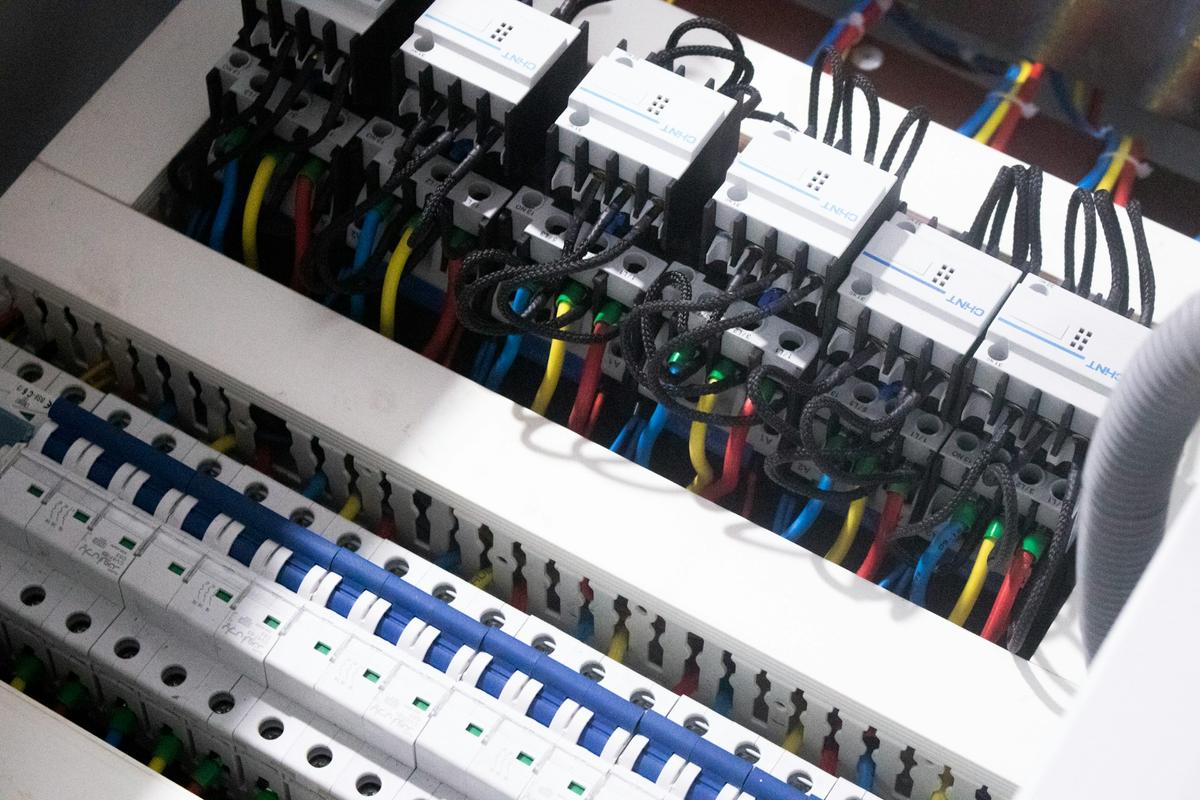
Electrical Safety Testing Guide for Landlords in Melbourne
If you own a rental property in Victoria, electrical safety isn’t optional — it’s a legal requirement. This guide explains your obligations under Victorian rental laws, what electrical safety testing involves, how often to test, and how to stay compliant.
Why Electrical Safety Is a Legal Obligation for Melbourne Landlords
If you own a rental property in Victoria, electrical safety isn’t optional — it’s a legal requirement. Under the Residential Tenancies Act 1997 (as amended by the Rental Reforms 2021), landlords must ensure their properties meet minimum safety standards, including maintaining electrical installations in good working order.
This duty of care covers:
- Fixed wiring and circuits
- Switchboards and protective devices
- Power points and light fittings
- Safety switches (RCDs)
Ignoring this obligation doesn’t just put tenants at risk — it exposes you to significant liability if something goes wrong, including potential fines, compensation claims, and insurance complications if an incident occurs.
What Is Electrical Safety Testing?
Electrical safety testing — also known as Test and Tag or periodic electrical inspection — involves a licensed electrician inspecting and testing the electrical installation in your property.
A typical rental property inspection includes:
RCD (Safety Switch) Testing
- Verifying that your switchboard has residual current devices (RCDs) installed on required circuits
- Testing that RCDs trip within safe time and current limits
- Confirming correct labelling and operation of each protected circuit
Switchboard Inspection
- Checking for old or unsafe fuse boxes, including ceramic fuses
- Looking for signs of overheating, burning, or loose connections
- Assessing whether the switchboard can safely accommodate RCDs
- Identifying obsolete or non-compliant wiring and components
Outlet and Circuit Testing
- Testing insulation resistance to ensure wiring isn’t deteriorated
- Verifying earth continuity so protective devices operate correctly
- Checking polarity and correct wiring of power points and lighting circuits
Visual Inspection
- Identifying exposed or damaged wiring
- Checking for cracked, loose, or broken outlets and switches
- Looking for water ingress or moisture near electrical fittings
- Confirming that fittings are securely mounted and in safe locations
At the end of the inspection, you should receive a written report outlining the tests performed, results, and any recommended repairs or upgrades.
How Often Should Rental Properties Be Tested?
Victoria does not yet mandate a fixed inspection interval for residential rental properties (unlike some commercial and industrial settings). However, landlords are still legally required to keep electrical installations safe and in good working order.
Best-practice guidelines for Melbourne rental properties are:
- Every 2 years for older properties (typically with pre-1990s wiring or original switchboards)
- Every 5 years for properties with modern switchboards and wiring
- Before each new tenancy if the property has been vacant for an extended period or if significant electrical work has been done
Authorities such as the Victorian Building Authority (VBA) and Energy Safe Victoria recommend proactive testing rather than waiting for visible faults or tenant complaints.
As rental reforms continue to evolve, it is likely that mandatory testing intervals for residential properties will be introduced. Getting into a regular testing routine now helps you:
- Spread costs predictably over time
- Avoid urgent, last-minute compliance work
- Reduce the risk of electrical failures and safety incidents
RCD Requirements for Victorian Rental Properties
Since March 2023, all new rental agreements in Victoria require landlords to have safety switches (RCDs) installed on all power and lighting circuits.
If your property does not have RCDs on these circuits, you are required to install them before entering a new tenancy agreement.
Why RCDs Are Critical
An RCD monitors the electrical current flowing in a circuit. If it detects a difference (such as current leaking to earth through a person or faulty appliance), it trips the circuit within milliseconds. This:
- Greatly reduces the risk of electric shock
- Helps prevent electrical fires
- Provides a higher level of protection than standard circuit breakers or fuses alone
Checking If Your Property Is Compliant
The Australian Standard Governing Electrical Inspections
Electrical inspections and testing in Australia are conducted in accordance with AS/NZS 3017 — Electrical Installations: Verification Guidelines. This standard sets out the inspection, testing, and verification procedures that licensed electricians must follow when assessing electrical installations, including the sequence of tests, acceptable limits for insulation resistance and earth continuity, and the format of the test report issued to the property owner.
When you receive a written inspection report from a licensed electrician, it should reference the tests carried out under AS/NZS 3017. This is the document to retain for your records — it demonstrates due diligence if a compliance question ever arises with Energy Safe Victoria, your insurer, or Consumer Affairs Victoria.